Published on October 22, 2025
Face Shape Detection and Virtual Try-On: Personalized Shopping in Cosmetics and Wigs


Shopping online has become visual, emotional, and deeply personal. Customers don’t just scroll through products — they want to see themselves in them. Whether it’s a wig that frames their face perfectly or a shade of lipstick that complements their features, the question is always the same: “Will this actually suit me?”
That’s where face shape detection meets virtual try-on technology. Powered by AI, computer vision, and augmented reality, these tools interpret the unique geometry of each face and translate it into personalized recommendations. In a few seconds, shoppers can try on wigs or makeup that feels tailor-made for them. For brands, it means more confident buyers, fewer returns, and a richer, more human shopping experience.
What Is Face Shape Detection?
Face shape detection uses artificial intelligence and 3D computer vision to analyze the unique proportions of a person’s face — such as forehead width, jawline, cheekbone height, and chin length. Based on this analysis, the system categorizes the face into one of the common shape types: oval, round, square, heart, diamond, or oblong.
Once identified, this information can power a personalized recommendation engine that pairs products with each shopper’s face shape. For example, a customer with a square face might be guided toward layered wig styles that soften angular features, while someone with a heart-shaped face might be shown soft makeup contours that balance their proportions.
In virtual try-on environments, this process happens seamlessly in the background. All the user has to do is turn on their camera or upload a photo — and the AI does the rest.
The Wig Perspective: Smarter Shopping Through Face Shape Analysis
When it comes to wigs, face shape detection transforms what used to be a guessing game into a data-driven experience. For years, shoppers had to rely on trial and error — ordering multiple styles before finding “the one.” Today, with AI-powered Virtual Try-On and face analysis, that decision happens in seconds.
From Fit to Confidence
A wig doesn’t just change a hairstyle — it defines a person’s entire look. A style that perfectly matches someone’s facial proportions can enhance balance, highlight natural features, and express personality. But when buying online, this emotional and aesthetic fit has been hard to achieve.
Face shape detection bridges that gap. It analyzes the customer’s facial landmarks and automatically filters the catalog to show the most suitable wig styles, lengths, and volumes. Combined with TWIWT’s Virtual Try-On, users can instantly visualize how each wig sits on their face — seeing proportions, framing, and overall appearance in real time.
This technology doesn’t only increase satisfaction. It also boosts conversions. Brands using advanced virtual try-ons show that shoppers who engage with 3D or face-analyzing VTO are significantly more likely to complete a purchase. Moreover, return rates drop because customers buy styles that genuinely fit both their look and proportions.
Integrating with the Shopping Flow
The beauty of modern face detection is that it integrates effortlessly into existing e-commerce stores. It can appear as an optional feature (“Find wig styles that suit your face”) or as part of the onboarding process before trying on products. Once the shopper’s face shape is identified, the system remembers it — personalizing recommendations across sessions.
Retailers can take this a step further by connecting face shape data with AI Shopping Assistants, creating a guided, conversational buying journey. Imagine a customer asking:
“Which wig styles would suit my round face best?” and instantly seeing personalized results.
For wig and beauty e-commerce, this combination of visual realism + analytical accuracy is the new gold standard of digital retail.
The Cosmetics Perspective: Face Shape as the Key to Flawless Virtual Makeup Try-On
While wigs rely on proportions and framing, cosmetics depend on precision. The same face shape detection technology that helps find the right wig can also guide how makeup is applied virtually.
Personalized Beauty Recommendations
Every face tells a different story — and makeup is about enhancing it, not hiding it. AI-based face shape detection identifies where to place highlights, blush, contour, and eyeshadow for each individual face type. During a virtual try-on session, users can see not only how the lipstick shade looks but also how their face shape influences the ideal makeup style.
For example:
- Someone with a round face may see contouring effects that create more definition.
- Users with an oval face might be shown softer, balanced makeup looks.
- Heart-shaped faces can preview blush placement that complements high cheekbones.
This personalized approach makes virtual makeup try-ons far more realistic — and emotionally engaging. Customers feel like they’re getting a professional beauty consultation from their device.
From Experimentation to Engagement
Cosmetics shoppers love to explore. Traditional e-commerce limits them to static product photos, but with face shape detection and AR try-ons, every shade becomes interactive. Shoppers can swipe through colors, test how different makeup styles reshape their appearance, and instantly add the best match to their cart.
The beauty industry is increasingly adopting this hybrid model — mixing real-time AI analysis with emotional storytelling. Brands offering this experience often see higher average basket sizes and repeat purchases because users trust the outcome of what they see.
Data that Drives Growth
Behind every try-on session is a valuable layer of data. By understanding which face shapes engage most with certain products, cosmetic brands can fine-tune their marketing campaigns. They can even develop new shades or product lines inspired by user preferences across demographics.
This synergy of AI analytics and augmented reality visualization marks a new era of beauty retail — where every shopper becomes their own makeup artist, guided by intelligent technology.
The Bigger Picture: How Face Shape Detection Redefines E-commerce
In both wigs and cosmetics, face shape detection is more than a visual add-on — it’s a personalization engine that deepens customer trust.
Here’s how it transforms online shopping:
- It eliminates uncertainty, helping shoppers visualize realistic results.
- It builds confidence, reducing hesitation before purchase.
- It saves time, filtering irrelevant options.
- It lowers returns, since customers buy what truly suits them.
- It strengthens brand loyalty, as users feel seen, understood, and guided.
What makes this technology even more compelling is that it’s accessible. Modern APIs and Shopify integrations allow any brand — from niche cosmetics labels to global wig retailers — to integrate face shape analysis and VTO within days, not months.
And for shoppers, it’s completely effortless. No measuring tapes, no complicated calibration. Just one face scan — and the shopping experience adapts to them.
The Future: Intelligent, Inclusive, and Human-Centered
As AI becomes more intuitive, face shape detection will evolve from simple geometry recognition to holistic personalization — considering not only face structure but also tone, lighting, and style preferences. The next step is emotional AI: systems that sense the user’s reactions in real time and adjust suggestions accordingly.
But the mission remains clear — technology should empower, not replace, human taste. When face shape detection and virtual try-on come together, they make online shopping not just more accurate, but more human.
Because confidence doesn’t come from pixels. It comes from seeing yourself — and liking what you see.
Contact us to learn more about how TWIWT can redefine your e-commerce experience.
Looking to personalize eyewear and cosmetics try-on?
Related articles
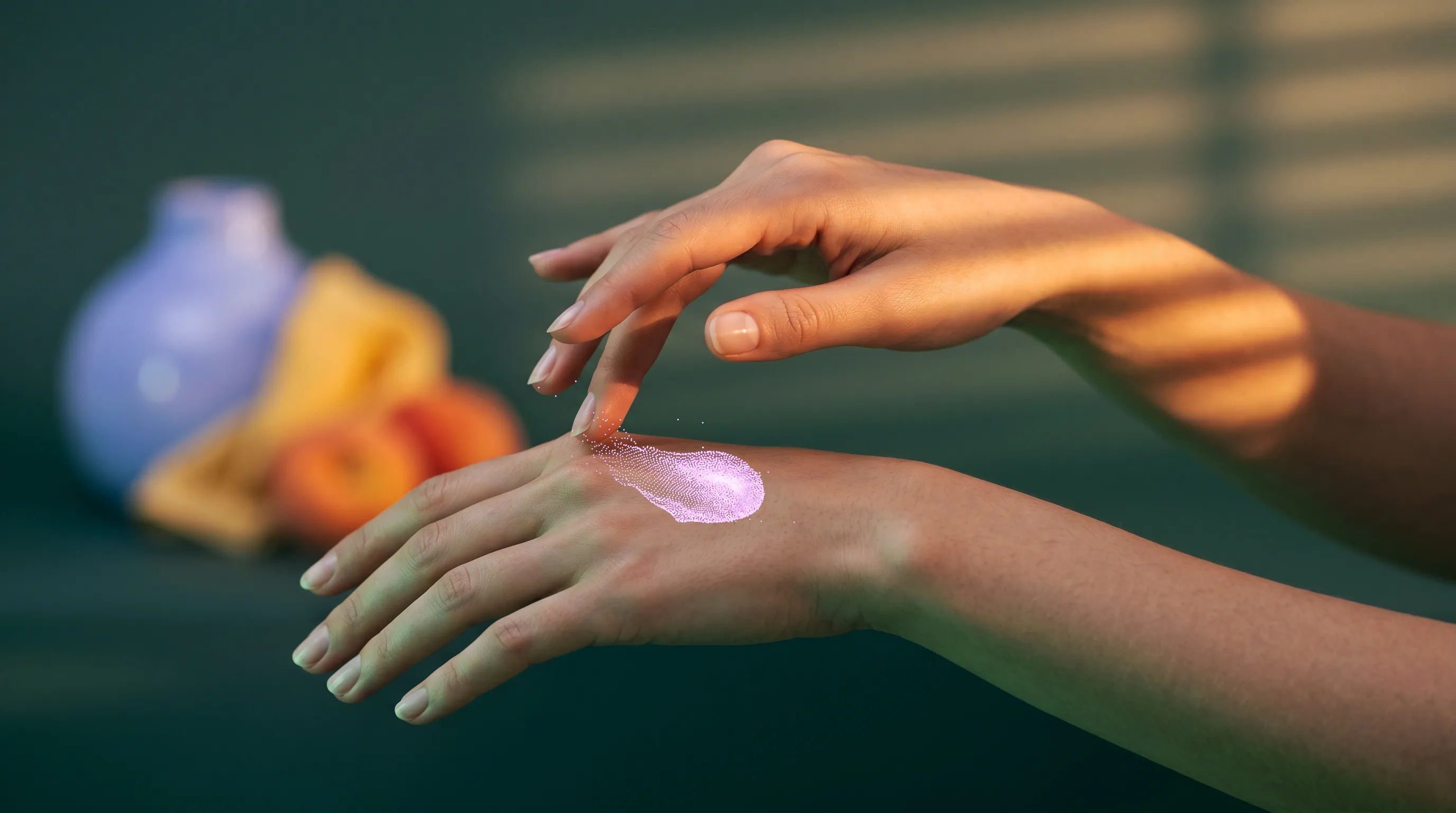
The Power of Personalization: Customizing the Virtual Try-On Experience for Cosmetics
Discover how personalized virtual try-on experiences are reshaping cosmetics e-commerce. Learn why customization drives higher conversions, deeper brand loyalty, and a smarter path to purchase for beauty shoppers.
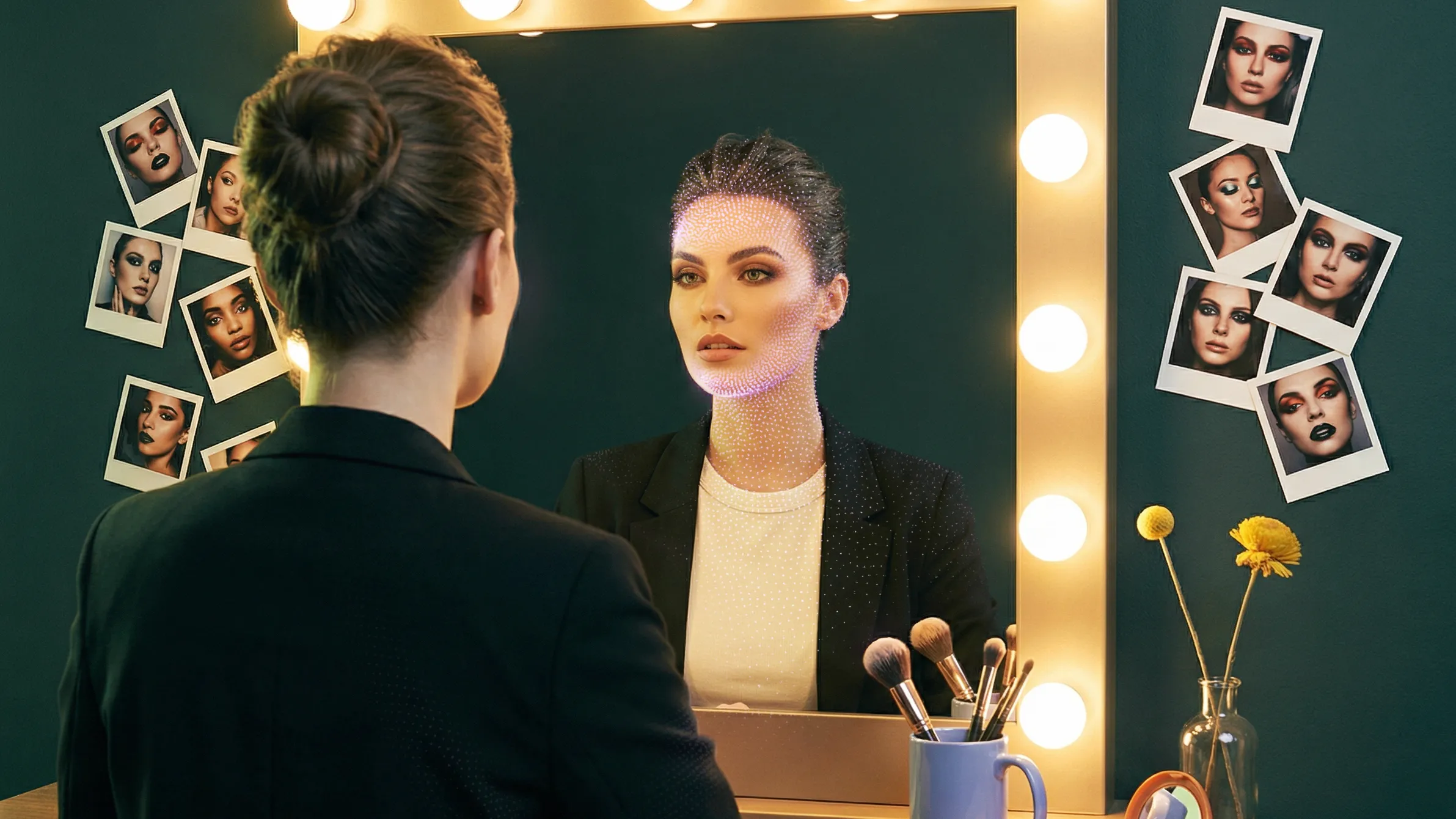
Everything You Wanted to Know About Cosmetics Virtual Try-On
Get answers to the most common questions about cosmetics virtual try-on. Learn how AR makeup tools work, how they integrate with your store, and why they boost conversions and reduce returns.
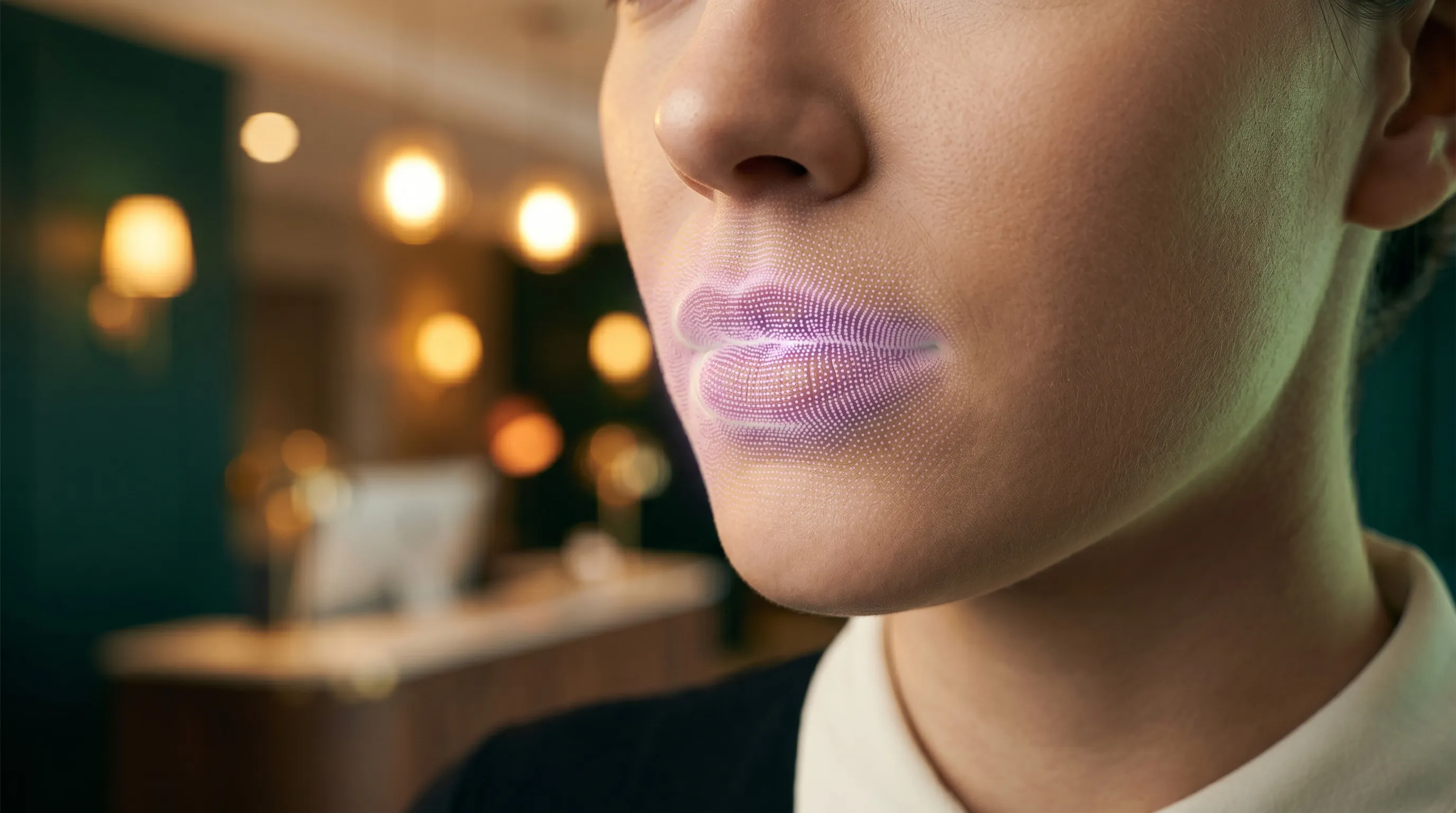
Inside TWIWT's Latest Cosmetics Virtual Try-On Upgrade: What Changed and Why It Matters
TWIWT's latest platform update delivers major improvements to accuracy, stability, and speed for cosmetics virtual try-on. Learn how enhanced facial landmark tracking and performance optimization create a more realistic beauty shopping experience.