Published on October 23, 2025
The Power of Personalization: Customizing the Virtual Try-On Experience for Cosmetics

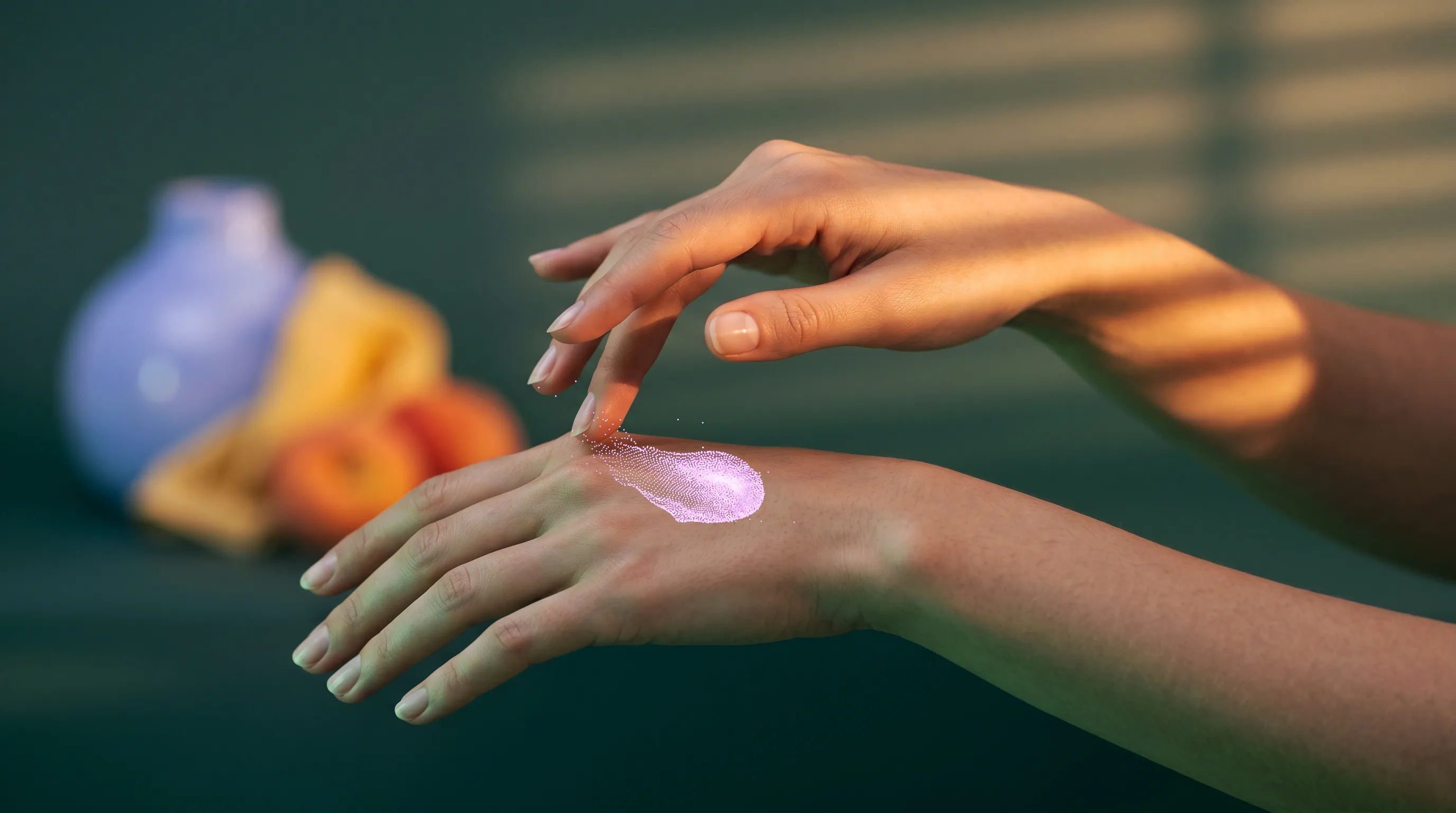
The cosmetics industry has always been personal. The shade of lipstick someone chooses, the way they blend their foundation, the eyeshadow palette that becomes their signature — these are deeply individual decisions. Yet for years, online beauty shopping forced customers into a one-size-fits-all experience: scroll through product photos, read a few reviews, and hope for the best.
Virtual try-on technology changed that equation. But the next evolution is not just about letting customers see a product on their face. It is about making the entire experience feel like it was designed specifically for them.
Personalization is what transforms a virtual try-on from a useful tool into a powerful driver of conversions, loyalty, and long-term brand growth.
From Gimmick to Game-Changer: The Evolution of Virtual Try-On
Virtual try-on technology has come a long way since its early days. The first generation of AR beauty tools offered basic, often cartoonish overlays that bore little resemblance to real makeup application. They were novelties — fun to play with but not reliable enough to influence a purchase.
Today, the landscape is fundamentally different. Advances in artificial intelligence, facial recognition, and real-time rendering have produced try-on experiences that are strikingly realistic. Modern platforms can simulate the texture of a matte lipstick, the luminous sheen of a highlighter, and the subtle gradient of a blended eyeshadow — all while adjusting for the user’s unique skin tone, facial structure, and ambient lighting.
This leap in quality is what makes personalization possible. When the underlying technology is accurate enough to be trusted, brands can layer on intelligent, individualized features that turn a passive browsing session into an active, guided shopping journey.
How Personalization Actually Works in Virtual Try-On
Personalization in cosmetics virtual try-on operates on several levels, each adding depth to the customer experience.
Skin tone and undertone detection is the foundation. When a shopper activates the try-on camera, the system analyzes their complexion in real time. It identifies whether their undertone is warm, cool, or neutral, and uses that data to filter and rank products that are most likely to complement their skin. Instead of scrolling through 40 foundation shades, a customer might see the five best matches highlighted first.
Facial feature mapping goes further. The system identifies the proportions and contours of the user’s face — the shape of their lips, the width of their eyes, the angle of their cheekbones. This allows product overlays to be placed with precision, but it also opens the door to intelligent recommendations. A customer with high cheekbones might be shown bronzer placement that accentuates that feature. Someone with a rounder face shape might receive contouring suggestions tailored to their geometry.
Behavioral personalization adds a third layer. Over time, the system learns from a shopper’s interactions. If someone consistently tries warm-toned lipsticks and avoids cool pinks, future sessions can surface products that align with their preferences. If a customer frequently pairs a particular blush with a specific highlighter, the platform can suggest that combination proactively.
Contextual awareness rounds out the experience. Factors like time of day, season, and even current beauty trends can influence which products are surfaced or how looks are styled. A summer session might lean toward bronzers and coral lips, while a winter visit could highlight deeper berry tones and richer foundations.
Together, these layers create an experience that feels less like browsing a catalog and more like having a knowledgeable beauty advisor who already understands your taste.
Why Personalization Matters for Cosmetics Brands
The business case for personalization in virtual try-on is compelling, and the data backs it up consistently.
Higher conversion rates. When customers feel confident that a product will work for them, they buy. Personalized try-on experiences reduce the guesswork that causes hesitation. Industry data shows that shoppers who engage with personalized AR beauty tools convert at rates 2 to 3 times higher than those who rely on static product pages alone.
Increased average order value. Personalization naturally encourages discovery. When a system recommends a complementary blush after a customer tries on a lipstick, or suggests a full look that ties multiple products together, shoppers add more items to their carts. The cross-selling happens organically because the recommendations feel relevant, not pushy.
Dramatically lower return rates. Returns are one of the most expensive problems in beauty e-commerce. A customer who buys a foundation based on a personalized shade match is far less likely to send it back than someone who guessed from a swatch image. Fewer returns mean lower logistics costs, less product waste, and better margins.
Deeper brand loyalty. Personalization creates emotional connection. When a beauty platform remembers your preferences, surfaces products that genuinely suit you, and helps you discover looks you love, it builds trust. That trust translates into repeat visits, higher lifetime value, and the kind of word-of-mouth advocacy that paid advertising cannot buy.
Richer first-party data. Every personalized interaction generates valuable insights. Brands learn which shades are trending, which product combinations resonate, and which customer segments are underserved. This data feeds back into product development, marketing strategy, and inventory planning — creating a virtuous cycle where the business gets smarter with every customer interaction.
The Real Impact on Conversions
The numbers tell a clear story. Cosmetics brands that implement personalized virtual try-on consistently report meaningful improvements across their key metrics.
Engagement time increases significantly. When the experience adapts to the individual, shoppers spend more time exploring. They try more products, compare more shades, and build more complete looks. This extended engagement is not idle browsing — it directly correlates with higher purchase intent.
Cart abandonment drops. One of the primary reasons shoppers abandon beauty purchases is uncertainty. Personalized try-on addresses that head-on by showing customers exactly how a product will look on their skin. When the doubt is gone, the sale follows.
Repeat purchase rates climb. A personalized experience gives customers a reason to come back. They know the platform understands their preferences and will help them find products they will love. This stickiness is especially valuable in the cosmetics category, where replenishment cycles create natural opportunities for repeat business.
At TWIWT, our customers have access to insightful analytics and performance data that quantify these improvements. Brands using our platform can track exactly how personalization features influence try-on engagement, add-to-cart rates, and downstream revenue.
Social Shopping: Personalization Meets Community
One of the most exciting dimensions of personalized virtual try-on is its intersection with social shopping. The experience is no longer limited to a solitary session in front of a screen.
With features like TWIWT’s Social Shopping, customers can invite friends or trusted beauty advisors into their try-on session. They can share looks in real time, get feedback, and make purchase decisions together — all within the same virtual environment.
This adds a layer of personalization that technology alone cannot replicate: the human element. Friends know your style, your comfort zone, and the looks that bring out your confidence. Combining that social intelligence with AI-driven product recommendations creates a shopping experience that feels both cutting-edge and genuinely personal.
For brands, social shopping is a powerful amplifier. Every shared session is an organic touchpoint that introduces new potential customers to your products in the most authentic way possible.
The Future of Personalized Beauty Shopping
The trajectory of personalization in cosmetics virtual try-on points toward experiences that are increasingly intuitive, predictive, and integrated into daily life.
AI-powered beauty advisors will become standard. Instead of simply showing how a product looks, future systems will proactively recommend complete routines based on skin analysis, personal history, and trending styles. These advisors will learn and improve with every interaction, becoming more useful over time.
Skin health integration will blur the line between cosmetics and skincare. Virtual try-on tools will begin to factor in skin condition — detecting dryness, redness, or uneven texture — and recommend products that address both aesthetic and wellness goals.
Cross-platform continuity will ensure that personalization follows the customer wherever they shop. A preference captured on a brand’s website will carry over to their mobile app, in-store kiosks, and even social media shopping experiences. The customer’s beauty profile becomes portable.
Predictive replenishment will use purchase history and usage patterns to anticipate when a customer is running low on a product and proactively suggest a reorder — with the option to try something new that aligns with their established preferences.
These are not distant possibilities. The building blocks already exist, and the brands that invest in personalization infrastructure today will be best positioned to deliver these experiences as they mature.
Making Personalization Work for Your Brand
The path to a personalized virtual try-on experience does not require a massive technology team or an enterprise-level budget. Modern platforms like TWIWT are designed to make sophisticated personalization accessible to beauty brands of every size.
The key is to start with the fundamentals — accurate try-on rendering, reliable skin tone detection, and seamless integration with your product catalog — and then layer on personalization features as your understanding of your customers deepens.
What matters most is the commitment to treating every customer as an individual. In a market where consumers have endless options, the brands that win are the ones that make each shopper feel seen, understood, and confident in their choices.
At TWIWT, we build the tools that make that possible. Our technology combines precision AR rendering with intelligent personalization to help beauty brands deliver experiences that convert browsers into buyers and first-time customers into lifelong fans.
Want personalized cosmetics try-on that converts?
Related articles
Face Shape Detection and Virtual Try-On: Personalized Shopping in Cosmetics and Wigs
Discover how face shape detection and virtual try-on technology transform online shopping for cosmetics and wigs, delivering personalized recommendations that boost conversions and reduce returns.
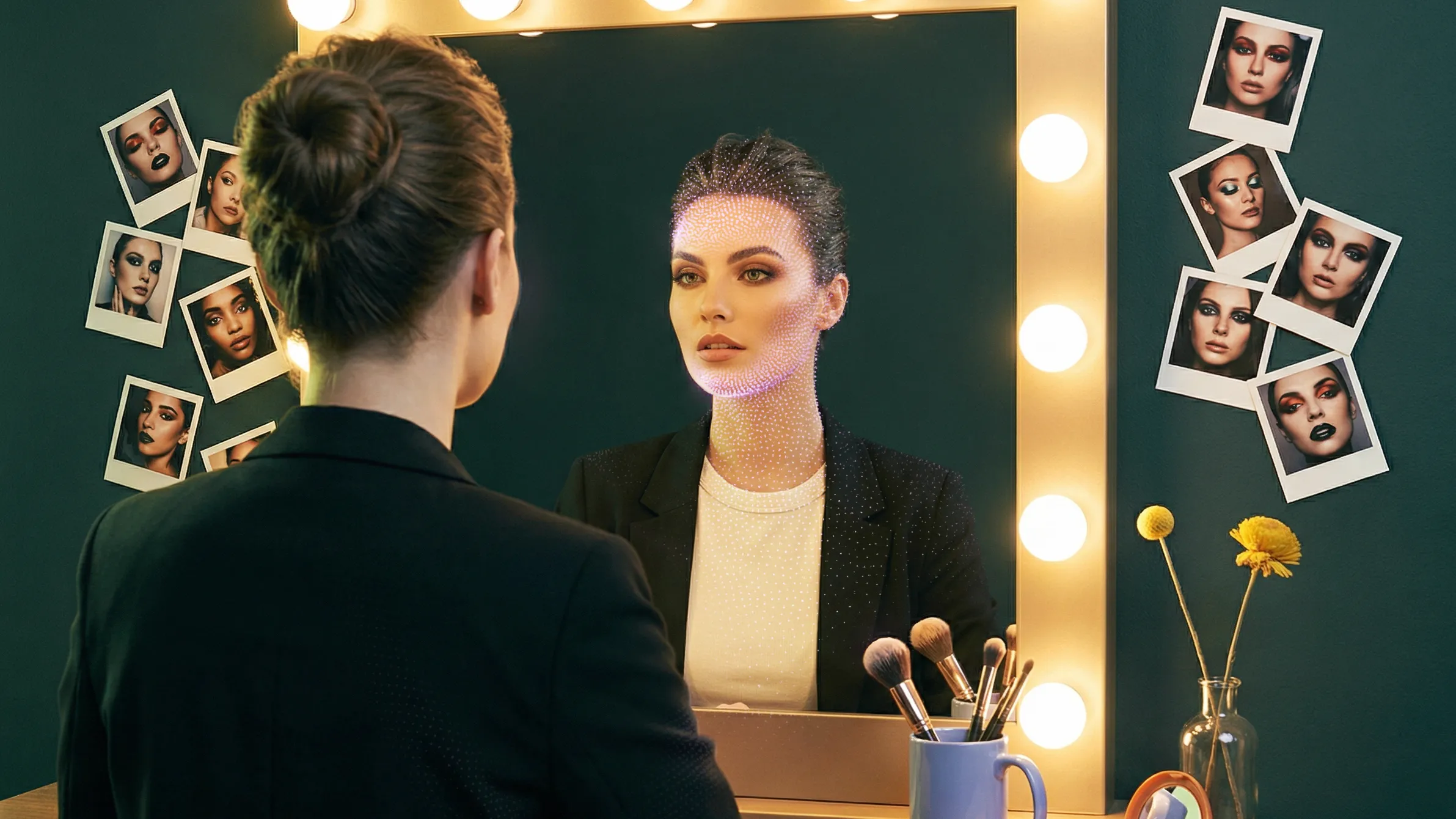
Everything You Wanted to Know About Cosmetics Virtual Try-On
Get answers to the most common questions about cosmetics virtual try-on. Learn how AR makeup tools work, how they integrate with your store, and why they boost conversions and reduce returns.
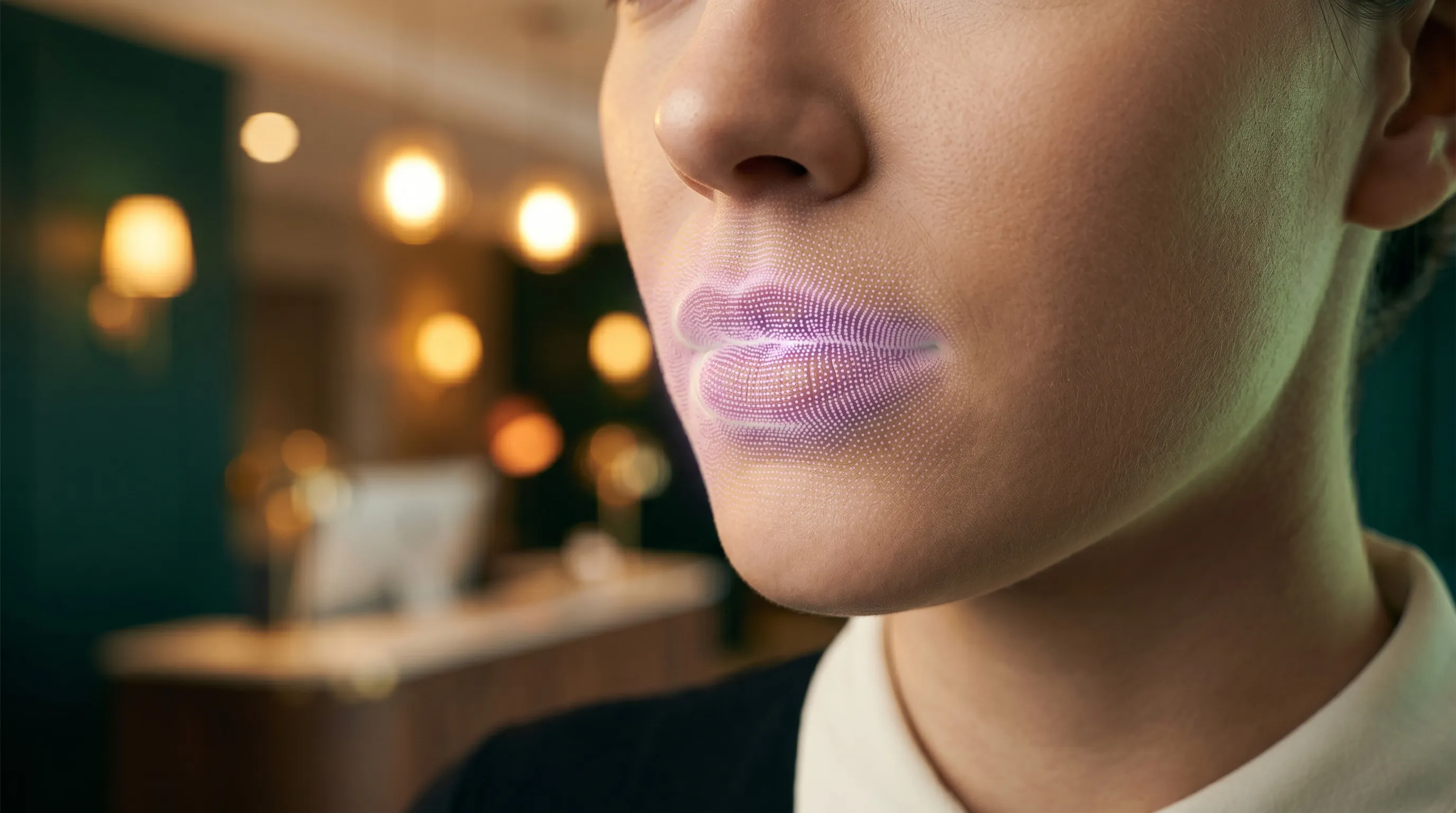
Inside TWIWT's Latest Cosmetics Virtual Try-On Upgrade: What Changed and Why It Matters
TWIWT's latest platform update delivers major improvements to accuracy, stability, and speed for cosmetics virtual try-on. Learn how enhanced facial landmark tracking and performance optimization create a more realistic beauty shopping experience.