Published on October 23, 2025
Camera-Based Head Measurement for Ecommerce: How It Works, Accuracy, and Limitations

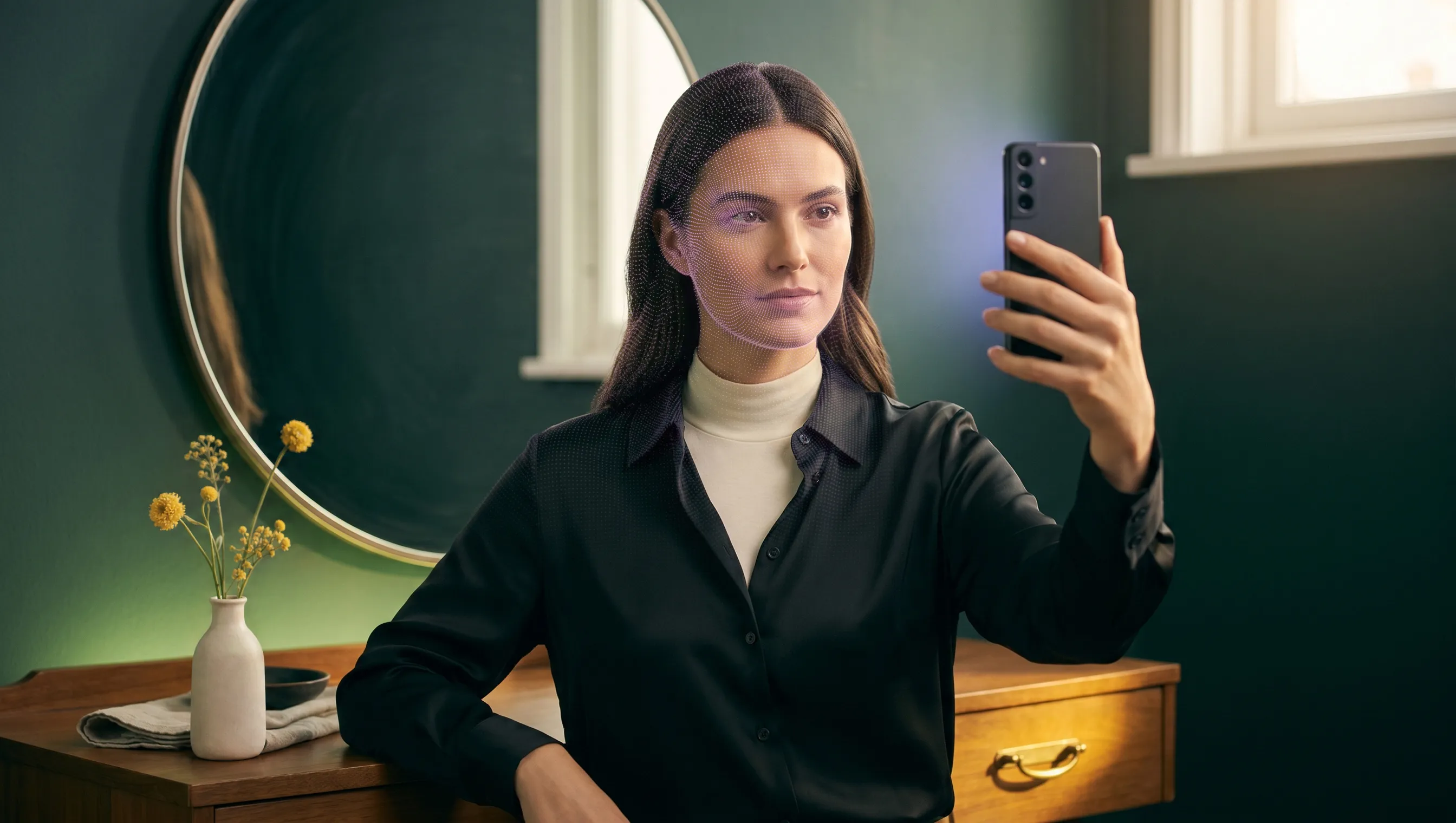
A shopper finds a hat they love, opens the size dropdown, and pauses. Small or medium? Without a tape measure nearby, choosing a size can feel like a guess.
They may leave without ordering or buy two sizes with the intention of returning one. That practice, known as bracketing, adds return shipping and restocking work for the retailer.
Camera-based head measurement gives shoppers sizing guidance directly on the product page. To understand how it works and what it can deliver, follow four steps:
Camera capture → dimension estimate → product sizing rules → size recommendation.
Each step matters. A clear scan needs to produce a useful measurement, and that measurement needs to match the sizing rules for the item the shopper wants to buy.
How camera-based head measurement works
1. The shopper opens the tool in their browser
With TWIWT Head Measurement, the shopper opens an embedded widget in a mobile or desktop browser, grants camera access, and follows on-screen prompts. A guided head turn lets the camera capture multiple angles, with no separate app download.
Keep the standard size chart and manual measuring instructions accessible for shoppers who prefer them or choose not to enable their camera.
2. The tool estimates head dimensions
The tool uses visual information from the camera to estimate dimensions such as head circumference.
A raw number still leaves a decision to make. A circumference of 57 cm becomes useful for shopping when it is connected to the size chart for the product on screen.
3. Product sizing rules translate measurements into sizes
Size labels vary between brands and styles. The same measurement may correspond to medium in one product and large in another.
TWIWT maps measured dimensions to the chart assigned to the specific product. For helmet models with shape-specific sizing rules, it can also factor head profile into the recommendation.
| Measured head circumference | Product sizing rule | Recommended size |
|---|---|---|
| 57 cm | Product A: M covers 56–58 cm | M |
| 57 cm | Product B: L covers 57–59 cm | L |
Illustrative ranges only.
The shopper’s measurement stays the same. The recommendation changes because the products use different sizing rules. Retailers need to keep each chart linked to the correct product and update it when sizing changes.
4. The shopper receives a recommendation
The widget displays a suggested size before the shopper adds the item to their cart. This can make the choice easier and reduce the perceived need to order several sizes.
The recommendation depends on the whole sequence: usable camera input, a reliable dimension estimate, and the correct product sizing rules.
Camera capture: conditions that matter
A useful estimate starts with clear visual input. Shoppers should follow the tool’s capture instructions, paying attention to:
- Balanced lighting: Avoid a bright window behind the head or harsh lighting that casts heavy shadows.
- A steady device and clean lens: Blur or a smudged lens can obscure visual detail.
- Clear visibility: Remove headwear and keep hair away from the face as directed by the tool. Hair that obscures the head’s contour can make capture more difficult.
- Steady pacing: Stay within the frame and follow the movement prompts without rushing.
For merchants, these instructions belong inside the measurement flow, where shoppers can act on them. Keep them short enough to follow during capture.
How accurate is camera-based head measurement?
Accuracy depends on the tool, its validation, and the conditions in which it is used. Two concepts help merchants evaluate a claim:
- Repeatability: How similar the readings are across repeated scans under the same conditions. Three similar readings suggest consistency, but all three could share the same error.
- Accuracy: How closely the estimate agrees with a trusted physical reference measurement taken using a defined procedure.
A result displayed as 57.2 cm does not establish accuracy to the nearest millimeter. The number of decimal places on screen tells you how the result is displayed, not how close it is to the physical measurement.
Before relying on a numerical accuracy claim, ask the provider for validation details:
- Which reference tools and measuring procedure were used?
- How many people were tested, and which head shapes, hair types, and skin tones were represented?
- Which devices, cameras, and lighting conditions were evaluated?
- How large were the typical errors and the larger discrepancies, and how often did scans fail?
- How often did those differences change the recommended size, especially near size boundaries?
For a retailer, the practical question is how reliably the complete process guides shoppers to the appropriate size for their catalog. Evaluate measurement error alongside its effect on size selection.
When should a shopper repeat a scan?
Repeat a capture when there was an obvious problem: an interrupted turn, a sudden change in lighting, or movement outside the frame. Correct the condition before trying again.
If readings continue to vary enough to suggest different sizes, use the manufacturer’s manual measuring instructions or contact customer support. Repeating the scan until a preferred size appears does not improve the evidence for that choice.
What if the measurement is between sizes?
Follow the manufacturer’s guidance for that particular model. Stretch, adjustment systems, and intended fit differ between products, so choosing the larger size is not a universal rule.
Merchants should make this guidance easy to find alongside the recommendation. A shopper close to a size boundary may need more help than a single size label can provide.
Measurement, recommended size, and physical fit
These three terms describe different parts of the purchase:
| Term | What it tells the shopper |
|---|---|
| Head measurement | An estimate of a physical dimension, such as circumference. |
| Recommended size | The size label that corresponds to the estimate under the product’s sizing rules. |
| Physical fit | How the finished item feels, sits, and performs when worn. |
Hats and caps
Crown depth, lining, fabric, and sweatband elasticity can affect comfort even when circumference matches the chart. Use the measurement alongside the product’s fit notes.
Wigs
Cap construction, adjustment straps, and the natural hair worn underneath affect how a wig sits. Follow the wig maker’s measuring instructions, including any dimensions required beyond circumference.
Helmets
An online size recommendation supports initial size selection. It cannot confirm protective fit. Shoppers must follow the manufacturer’s fitting and safety instructions and check the helmet physically before use. For bicycle helmets, NHTSA’s fitting guide includes checks for helmet position, strap adjustment, and movement.
A virtual try-on preview helps answer, “How will this look?” A size recommendation helps answer, “Which size should I order?” The final fit still needs to be assessed with the actual product.
Camera-based measurement connects a shopper’s estimated head dimensions to the size chart for the product they want. Its value comes from making that decision easier, with clear instructions and useful guidance when a result is uncertain.
Start with a focused selection of products, check their size-chart mappings, and keep manual guidance accessible. Track measurement completion, purchase conversion, multi-size orders, and sizing-related returns to understand the effect in your own store.
Turn sizing uncertainty into more confident orders
Explore TWIWT Head Measurement using your products and size charts.
Related articles
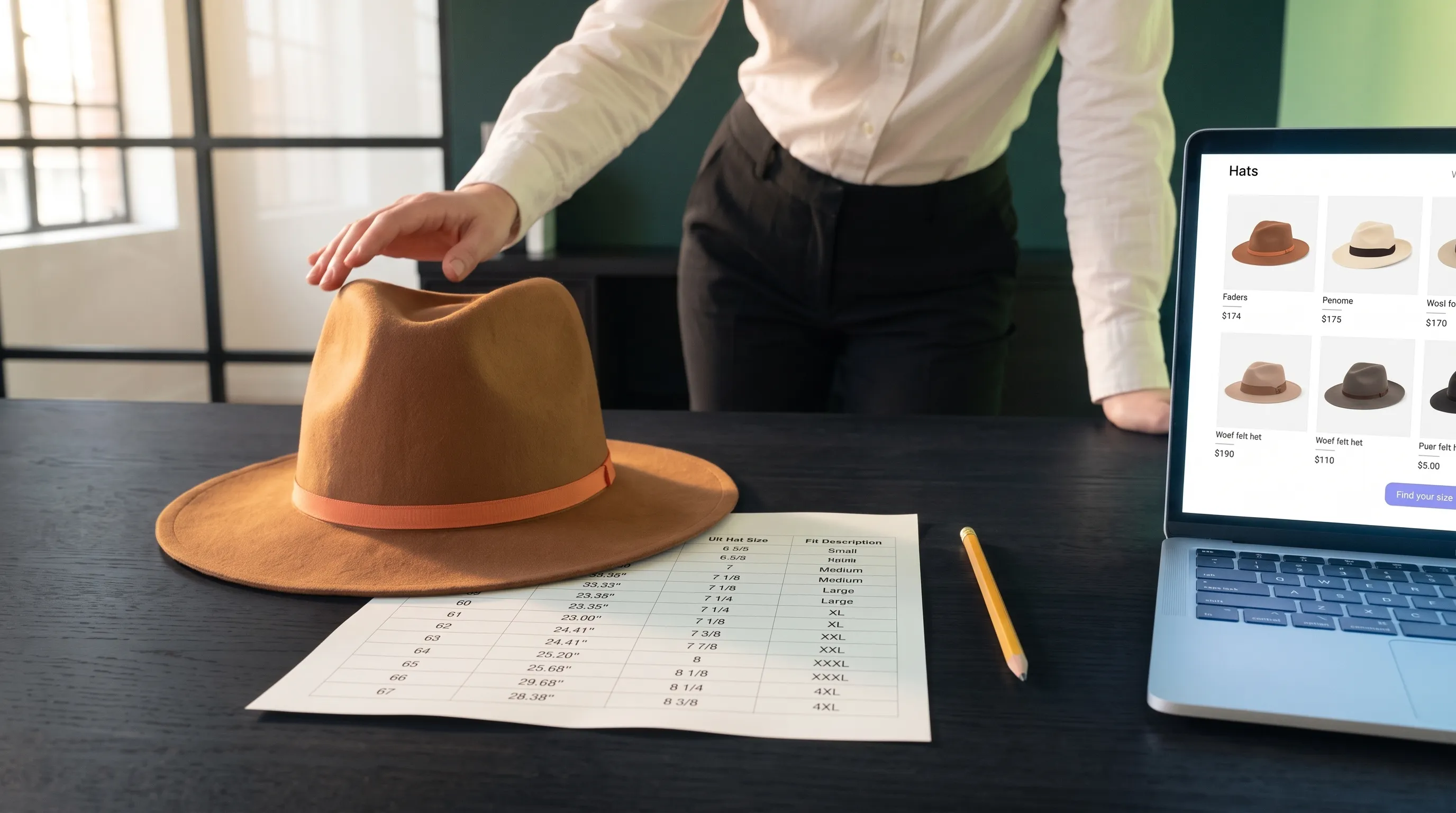
How to Add Size Charts to Hat and Helmet Product Pages
Stop wrong-size returns and cart hesitation. Learn how to add product-specific hat and helmet size charts to Shopify and WooCommerce with popups, cm/in units, and a mobile-friendly setup.
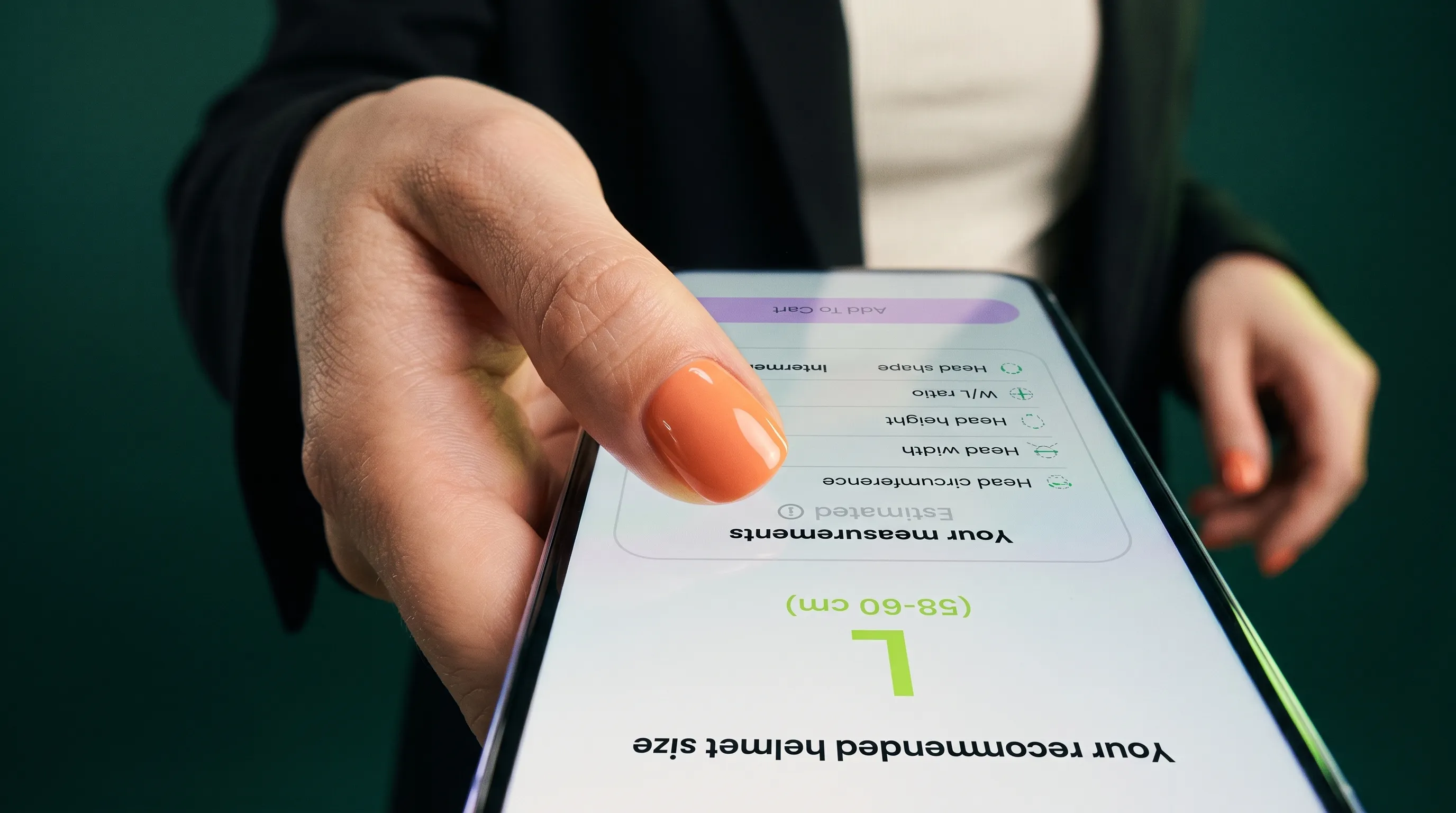
How to Add Camera-Based Hat and Helmet Size Recommendations to Shopify
A step-by-step guide to setting up TWIWT Head Measurement on Shopify: activate theme embeds, configure sizing thresholds, and give shoppers instant head measurements without a tape measure.

How to Manage Size Charts and Head Shape Rules for a Multi-Brand Helmet Store
A practical framework for multi-brand helmet stores: verify manufacturer size charts, preserve head-shape guidance, map products, and keep sizing updates in sync.