Published on October 23, 2025
Marketing for Beauty Products: How Technology is Reshaping the Beauty Industry

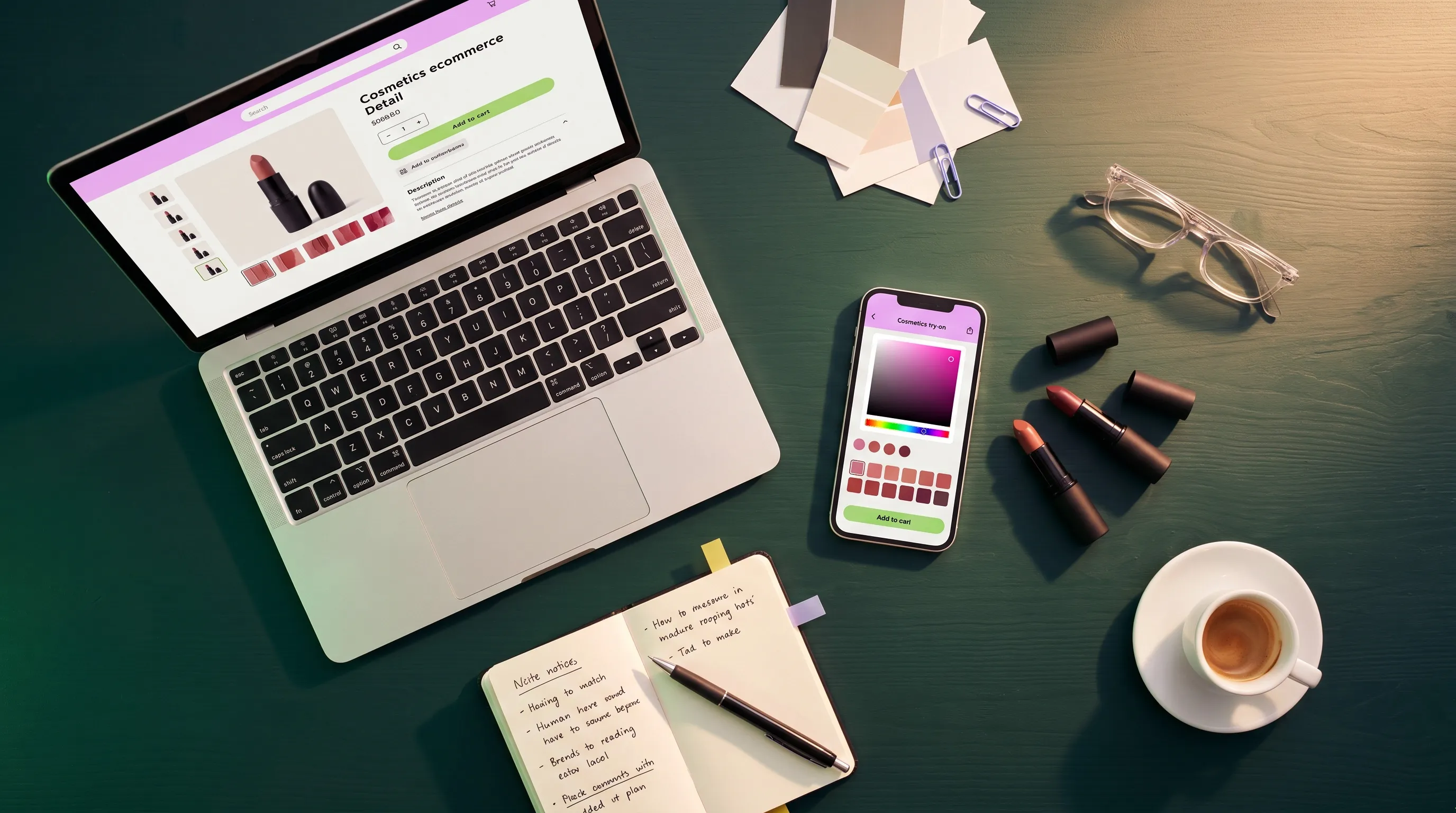
In the dynamic and highly competitive world of beauty, standing out is no longer just about having a great product. It’s about delivering an exceptional experience, leveraging the latest technologies, and understanding consumer behavior better than ever before. As customer expectations continue to rise, marketing for beauty products must evolve beyond traditional methods. Today, brands that integrate technology in the beauty industry, such as Virtual Try-On for cosmetics, are setting new standards and driving remarkable growth.
In this article, we explore the most effective strategies in marketing for the beauty industry, how technology is revolutionizing customer engagement, and why Virtual Try-On is becoming a must-have for cosmetic brands.
The Evolution of Marketing for Beauty Products
Traditionally, marketing for beauty products relied heavily on in-store experiences, word-of-mouth recommendations, celebrity endorsements, and glossy advertisements. While these methods still play a role, the modern consumer journey now often begins and ends online.
Social media platforms like Instagram, TikTok, and YouTube have become powerful engines for beauty marketing. Influencers and content creators have taken center stage, showcasing tutorials, reviews, and real-time product demos. However, with increasing saturation in digital spaces, standing out requires more than just beautiful imagery. It demands innovation, personalization, and authenticity.
Today, successful marketing for beauty products revolves around:
- Personalized customer experiences
- Interactive and immersive technologies
- Data-driven insights and analytics
- Sustainable and ethical brand positioning
- Influencer and user-generated content marketing
Brands must build not just a product line, but a full lifestyle around their offerings, forging emotional connections with their audience at every touchpoint.
The Role of Technology in the Beauty Industry
Technology in the beauty industry has fundamentally changed the way brands operate and connect with consumers. From AI-driven skincare diagnostics to augmented reality beauty apps, technology empowers brands to offer smarter, faster, and more tailored services than ever before.
Some of the most impactful technological innovations include:
1. Virtual Try-On for Cosmetics
One of the most transformative developments has been Virtual Try-On for cosmetics. This technology allows customers to digitally “try on” makeup products, including lipsticks, foundations, eyeshadows, and blushes, using their smartphones or desktop cameras. With a few taps, consumers can see how a product looks on their own face without stepping into a store.
At TWIWT, we specialize in providing highly accurate, real-time virtual try-on solutions that integrate seamlessly into e-commerce platforms. Virtual Try-On not only enhances the online shopping experience but also significantly reduces product returns, boosts consumer confidence, and increases conversion rates. For beauty brands, this translates directly into higher revenue and stronger customer loyalty.
2. AI and Machine Learning
Artificial Intelligence (AI) enables brands to offer personalized product recommendations based on a customer’s skin type, preferences, purchase history, and even environmental factors. Chatbots provide 24/7 support, while AI algorithms can help predict beauty trends and guide inventory management. The brands leveraging AI effectively are the ones delivering the most relevant, timely experiences to their customers.
3. Augmented Reality (AR) and 3D Visualization
Beyond makeup, AR technology is used for hair color simulations, wig try-ons, skincare assessments, and even immersive storytelling around fragrance collections. 3D visualization tools allow consumers to see products in high detail, enhancing product education and engagement. When a shopper can see exactly how a wig will frame their face or how a jewelry piece catches the light, they buy with far more confidence.
4. Smart Devices and IoT
From smart mirrors that analyze skin conditions to connected beauty devices that personalize skincare routines, the Internet of Things (IoT) is making personalized beauty treatments accessible at home. These devices generate valuable data that brands can use to refine product development and marketing strategies.
By embracing these technologies, brands are not only staying relevant but actively shaping the future of the industry.
Best Practices for Marketing in the Beauty Industry Today
Understanding how marketing for the beauty industry works today involves recognizing both digital trends and deeper consumer desires. Here’s how brands can stay ahead:
Focus on Personalization
Customers crave personalized experiences. Utilize AI and customer data to recommend products uniquely suited to each user. Tailored messaging, customized product bundles, and individual skincare or beauty regimes build brand loyalty and increase lifetime customer value.
Embrace Virtual Try-On Solutions
Integrating Virtual Try-On for cosmetics into your online store is no longer optional. It’s an expectation. Shoppers who can try products virtually are more likely to purchase and less likely to return items, increasing overall profitability.
Moreover, offering Virtual Try-On helps smaller beauty brands compete with industry giants by providing a high-end, interactive experience at a fraction of the cost. With TWIWT’s solutions, even emerging brands can offer the kind of immersive shopping experience that was once reserved for major players.
Leverage Influencers and Authentic Content
The beauty industry thrives on trust. Collaborating with micro and nano influencers, those with smaller but highly engaged audiences, can deliver more authentic endorsements than mega-celebrities. Their recommendations feel genuine, and their followers are more likely to act on them.
Encourage user-generated content (UGC) where real customers share their beauty routines, makeup looks, or product experiences. This organic marketing method builds credibility, expands reach, and provides social proof that no amount of paid advertising can replicate.
Prioritize Ethical and Sustainable Messaging
Modern consumers, especially Gen Z and Millennials, are deeply concerned about sustainability and ethics. Ensure transparency about ingredients, sourcing practices, packaging sustainability, and corporate social responsibility initiatives.
Highlighting these aspects in your marketing not only strengthens your brand but connects you with consumers on a value-driven level. Sustainability is no longer a differentiator; it’s a baseline expectation.
Invest in Mobile-First Experiences
Mobile shopping continues to accelerate. Ensure that your website, online store, and try-on technologies are fully optimized for mobile devices. Fast loading times, intuitive interfaces, and mobile AR integrations are crucial for retaining users and driving sales. A clunky mobile experience is one of the fastest ways to lose a potential customer.
How Virtual Try-On for Cosmetics Boosts Marketing Effectiveness
Let’s dive deeper into why Virtual Try-On for cosmetics is so critical in marketing for beauty products today:
-
Increases Consumer Engagement: Interactive experiences captivate users, leading them to spend more time on your website or app. The longer a shopper engages, the more likely they are to convert.
-
Enhances Purchase Confidence: When customers can see how a lipstick shade looks on their skin tone or how a foundation blends with their complexion, they’re far more likely to click “buy.” Confidence eliminates hesitation.
-
Reduces Return Rates: With Virtual Try-On, the gap between customer expectations and the actual product shrinks dramatically, leading to fewer disappointments and returns. For beauty brands, where shade mismatches are a leading cause of returns, this impact is substantial.
-
Generates Valuable Insights: Data collected from virtual try-ons reveals consumer preferences, trending shades, and popular products, helping refine marketing strategies and inform product development decisions.
At TWIWT, we provide cutting-edge Virtual Try-On solutions that seamlessly integrate into beauty e-commerce sites, helping brands create memorable and profitable digital experiences.
Future Trends in Technology in the Beauty Industry
As technology advances, marketing for beauty products will continue to evolve. Here are some trends shaping the future:
-
Biotech Beauty: Custom formulations powered by biotechnology will allow hyper-personalized beauty solutions tailored to individual skin biology.
-
Voice Commerce: With smart speakers becoming ubiquitous, voice-activated beauty shopping will become a new frontier for convenience-driven consumers.
-
Sustainability Tech: Expect more biodegradable packaging innovations and blockchain-based transparency tools to assure ethical sourcing and build consumer trust.
-
Cross-Category Virtual Try-On: As VTO technology matures, expect to see integrated experiences where shoppers can try on complete looks, combining wigs, makeup, and jewelry in a single session.
The brands that stay ahead will be those who embrace technology in the beauty industry not as a gimmick, but as a core part of their customer journey.
Ready to Transform Your Beauty Marketing?
In today’s digitally-driven marketplace, marketing for beauty products demands an integrated approach that leverages technology, personalization, and authenticity. Innovations like Virtual Try-On for cosmetics are no longer futuristic luxuries. They are practical, proven tools for enhancing customer experience, driving sales, and building lasting brand loyalty.
By embracing technology in the beauty industry, brands can not only meet modern consumer expectations but exceed them, setting new standards for what it means to deliver a world-class shopping experience.
Discover how TWIWT’s Virtual Try-On technology can help you captivate customers and accelerate growth. Get started today
Want beauty marketing that turns engagement into sales?
Related articles
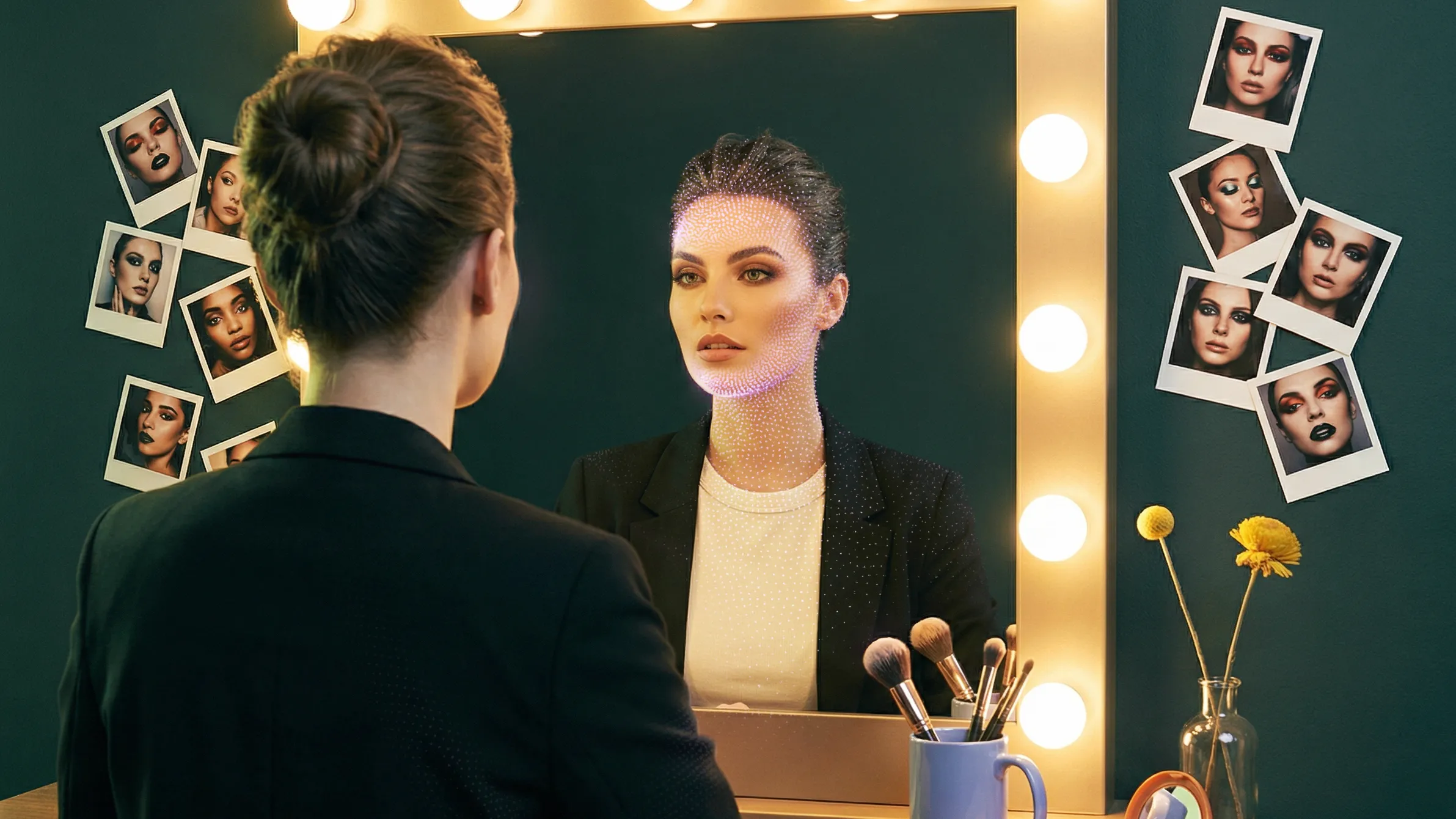
Everything You Wanted to Know About Cosmetics Virtual Try-On
Get answers to the most common questions about cosmetics virtual try-on. Learn how AR makeup tools work, how they integrate with your store, and why they boost conversions and reduce returns.
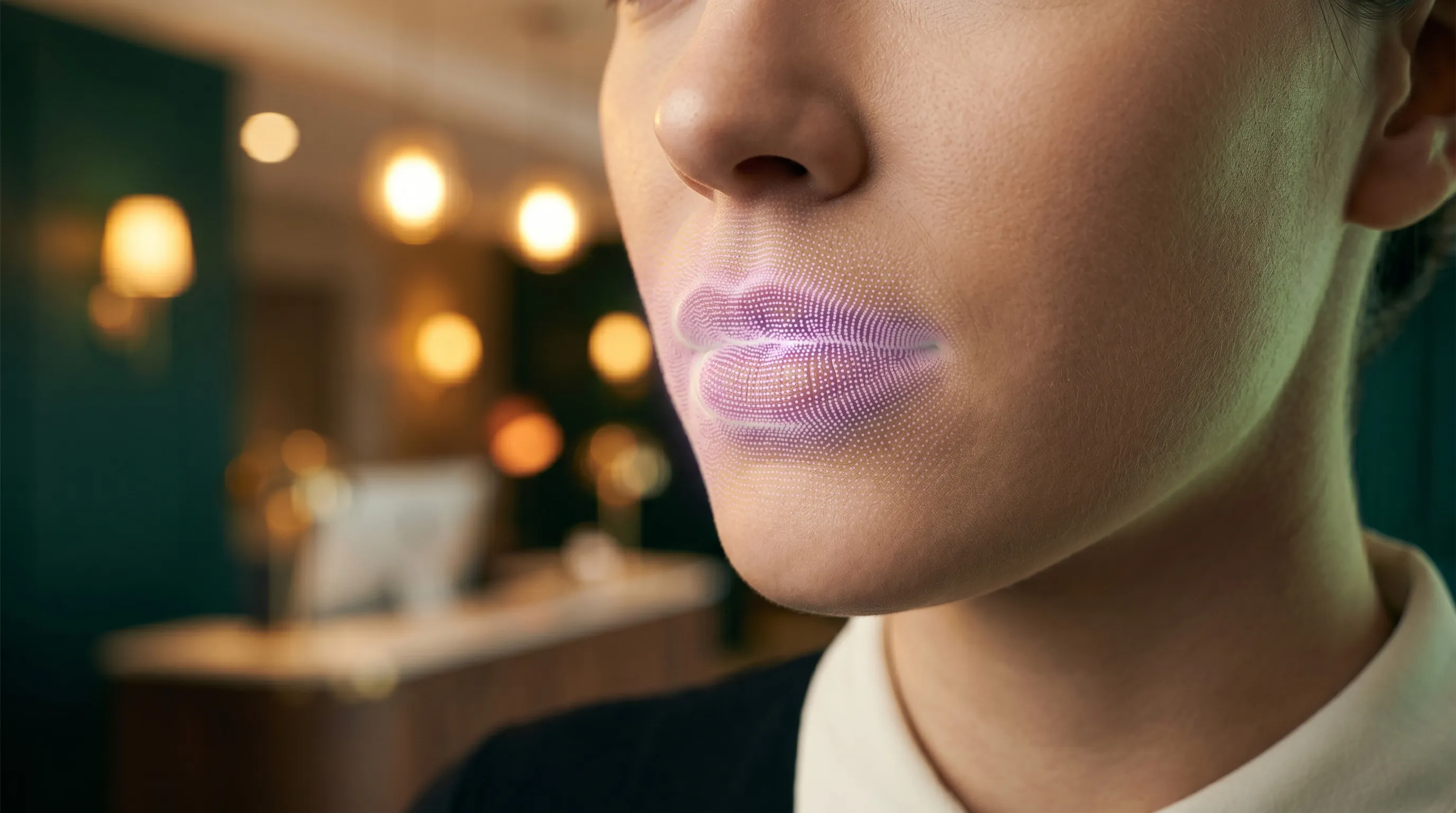
Inside TWIWT's Latest Cosmetics Virtual Try-On Upgrade: What Changed and Why It Matters
TWIWT's latest platform update delivers major improvements to accuracy, stability, and speed for cosmetics virtual try-on. Learn how enhanced facial landmark tracking and performance optimization create a more realistic beauty shopping experience.
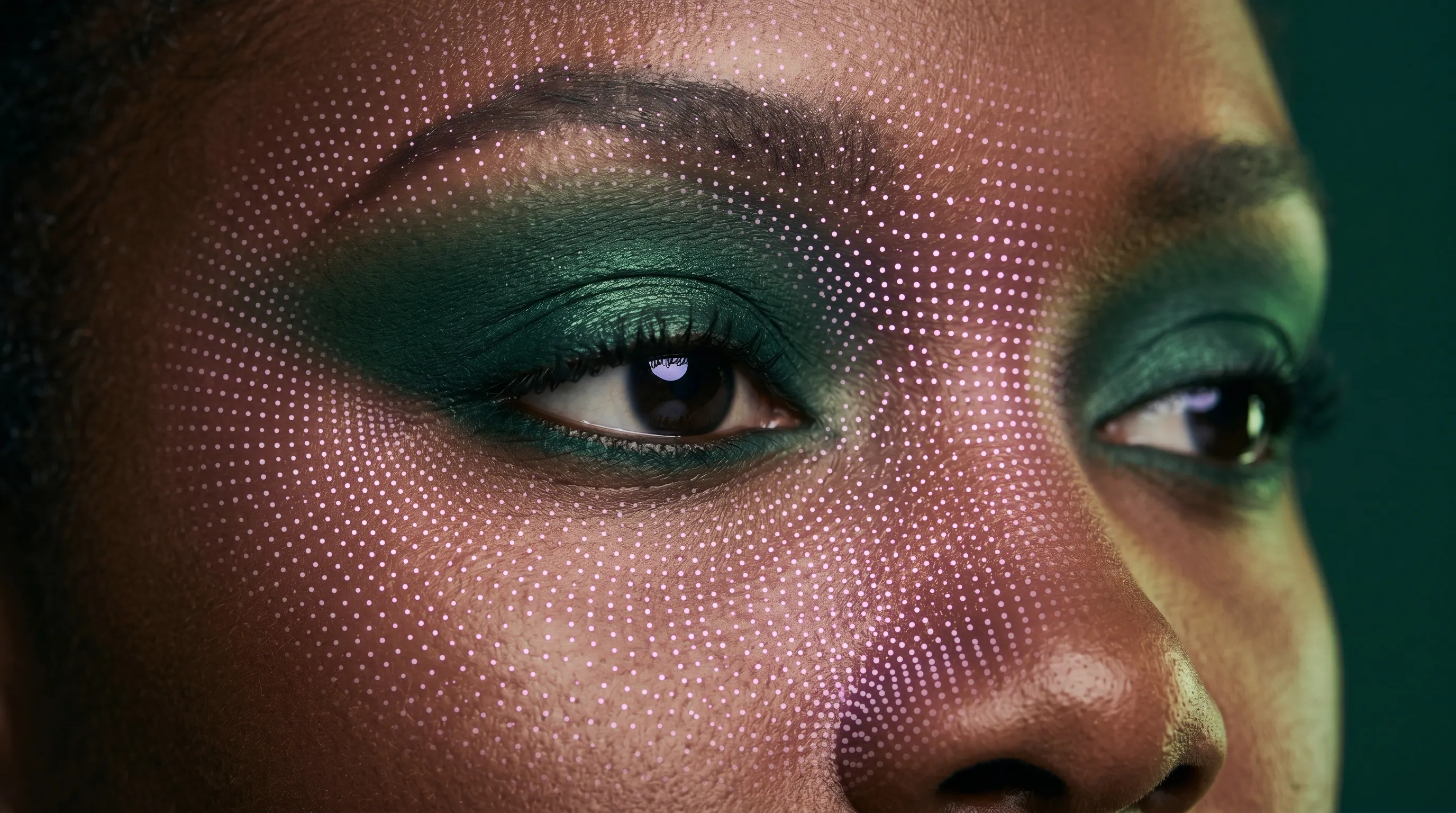
Smarter, Faster, More Realistic: Our New Cosmetics Try-On Experience
In the fast-moving world of online beauty retail, keeping up with customer expectations means constantly pushing your technology forward. At TWIWT, we have been listening closely to our cosmetics e-commerce partners and delivering results.